
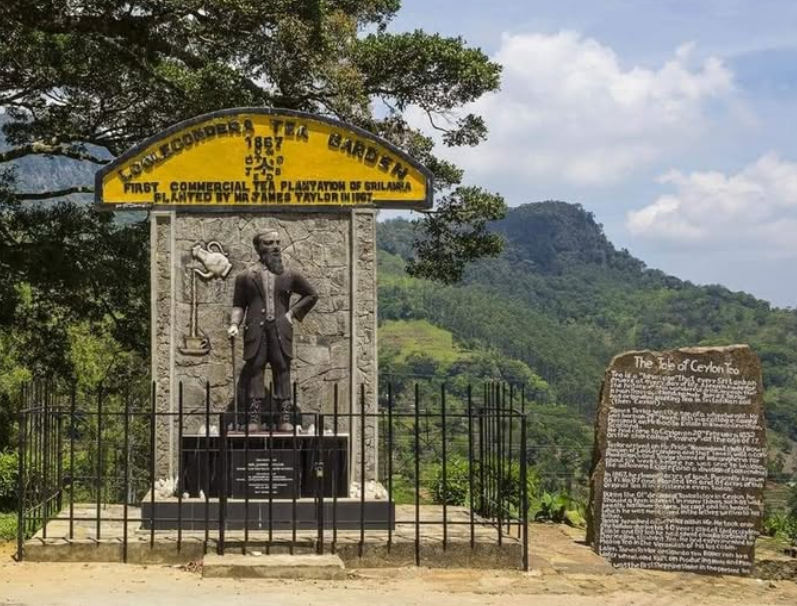
Amidst the devastating coffee blight of the 1860s, a pivotal figure emerged: James Taylor, a visionary Scotsman. In 1867, he planted the first commercial tea seeds on the Loolecondera Estate in Kandy, a bold move that would forever alter Sri Lanka's destiny. This marked the humble genesis of Ceylon Tea, a global icon.
Taylor was more than a planter; he was a dedicated innovator. Arriving as a young man, he immersed himself in the intricacies of tea cultivation, experimenting and adapting techniques to suit Ceylon's unique terrain and climate. His dedication extended to processing, where he pioneered methods like rolling and withering.
Ceylon's fertile highland soil, abundant rainfall, and diverse microclimates proved ideal for tea. The cooler, misty conditions of the elevated regions yielded leaves of exceptional quality. Taylor's foresight and hard work laid the bedrock for a flourishing industry, establishing the gold standard for Ceylon Tea and transforming the island's agricultural landscape.
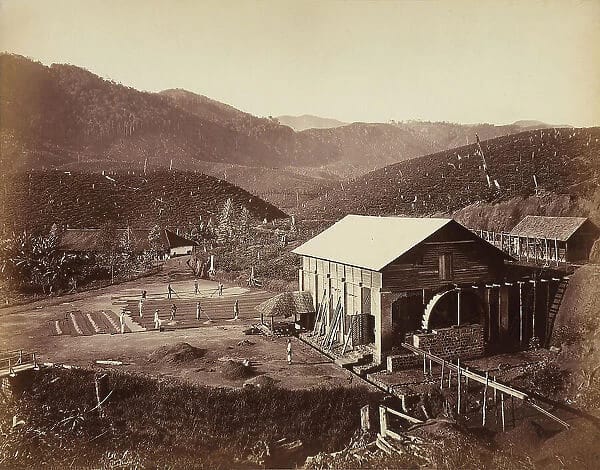
The shift from coffee to tea was a gradual but determined transformation. As coffee plantations succumbed to disease, they were methodically repurposed into tea estates, marking a new era for Ceylon's agriculture. This transition was not merely a change in crops, but a complete restructuring of the island's economic landscape.
By the late 19th century, the quality of Ceylon tea began to captivate the world. Its distinct flavor profile, a result of the island's unique terroir, earned it international acclaim. 1 The establishment of the Colombo Tea Auction in 1883 was a pivotal moment. This auction provided a centralized platform for trading tea, ensuring fair prices and transparency, and further solidifying Ceylon's position as a major player in the global tea market. The auction acted as a stage where ceylon tea showcased its quality to the world.
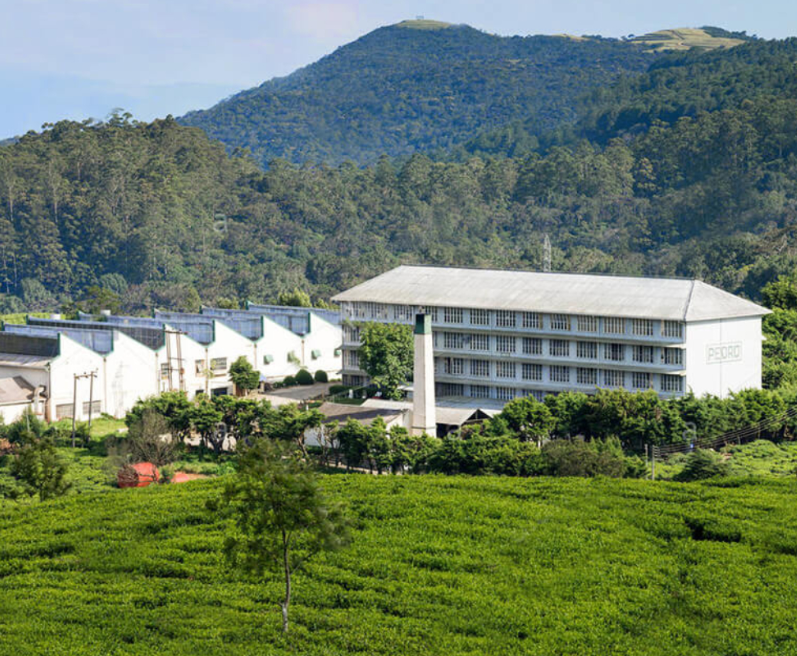
The 20th century marked a period of remarkable expansion and refinement for the Ceylon tea industry. Building upon the solid foundation laid in the previous century, the industry embraced innovation and modernization, leading to significant advancements in cultivation techniques, processing methods, and quality control.
Recognizing the importance of scientific research and development, the Tea Research Institute (TRI) was established in 1925. This pivotal institution played a crucial role in driving progress, conducting research on tea cultivation, pest control, and processing techniques. The TRI's work directly contributed to enhancing productivity, improving tea quality, and ensuring the sustainability of the industry. They studied everything from soil composition to optimal plucking times.
Beyond research, the industry also focused on improving infrastructure and logistics, facilitating the efficient transportation and distribution of tea. This, coupled with a growing global demand for Ceylon tea, propelled the industry to new heights, establishing it as a cornerstone of Sri Lanka's economy

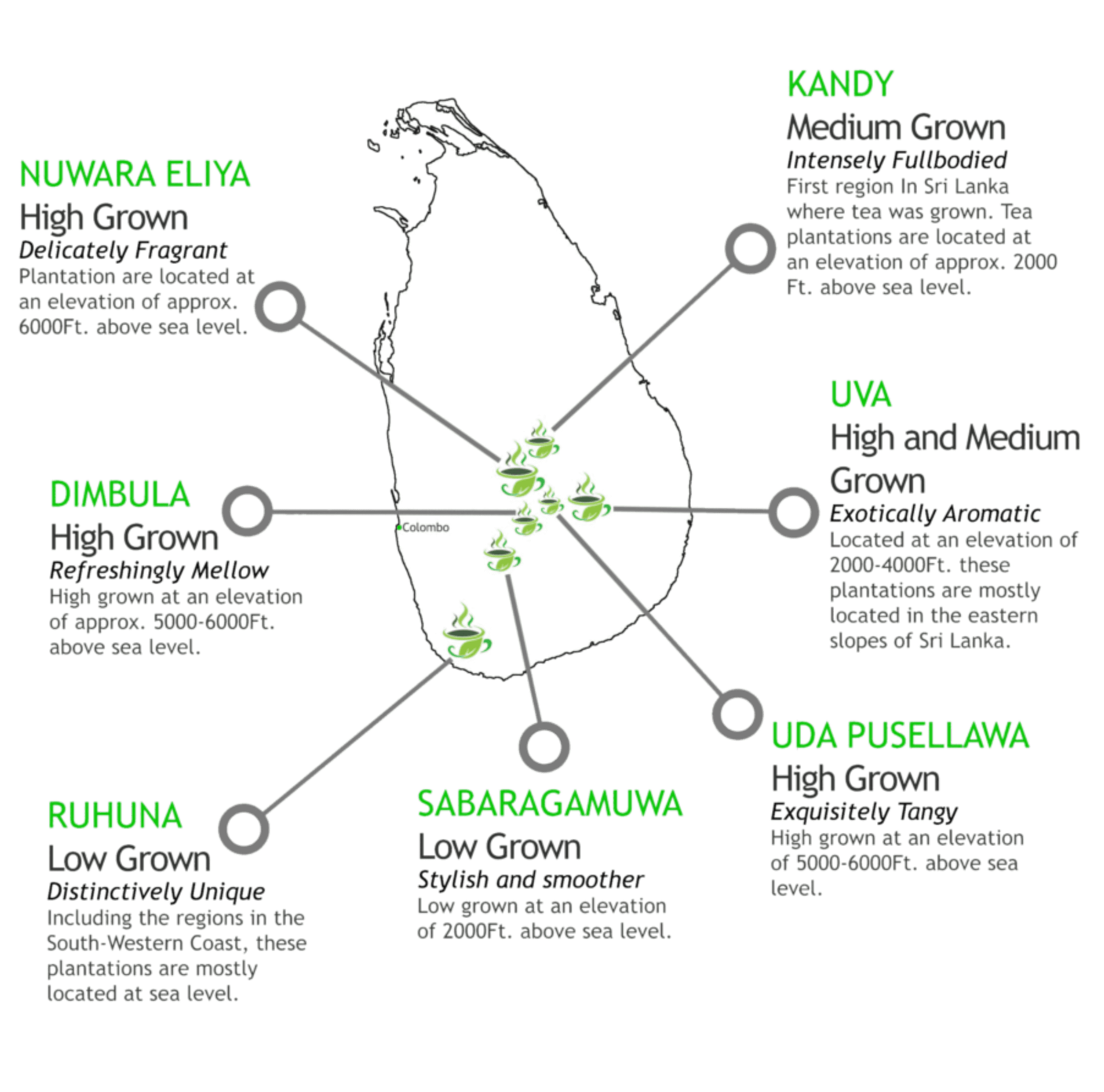
Today, Ceylon Tea stands as a testament to its enduring legacy, a global icon revered for its unparalleled quality and diverse flavor profiles. From the robust and malty notes of low-grown teas to the delicate and nuanced aromas of highgrown varieties, Ceylon Tea caters to a wide spectrum of palates.
The island's unique terroir, a harmonious blend of rich volcanic soil, abundant rainfall, and cool mountain climates, provides the perfect canvas for cultivating exceptional tea bushes. These conditions, coupled with generations of expertise, contribute to the distinctive characteristics that set Ceylon Tea apart.
Beyond its inherent quality, Ceylon Tea has also embraced modern practices, including sustainable cultivation and ethical sourcing.